Facilities
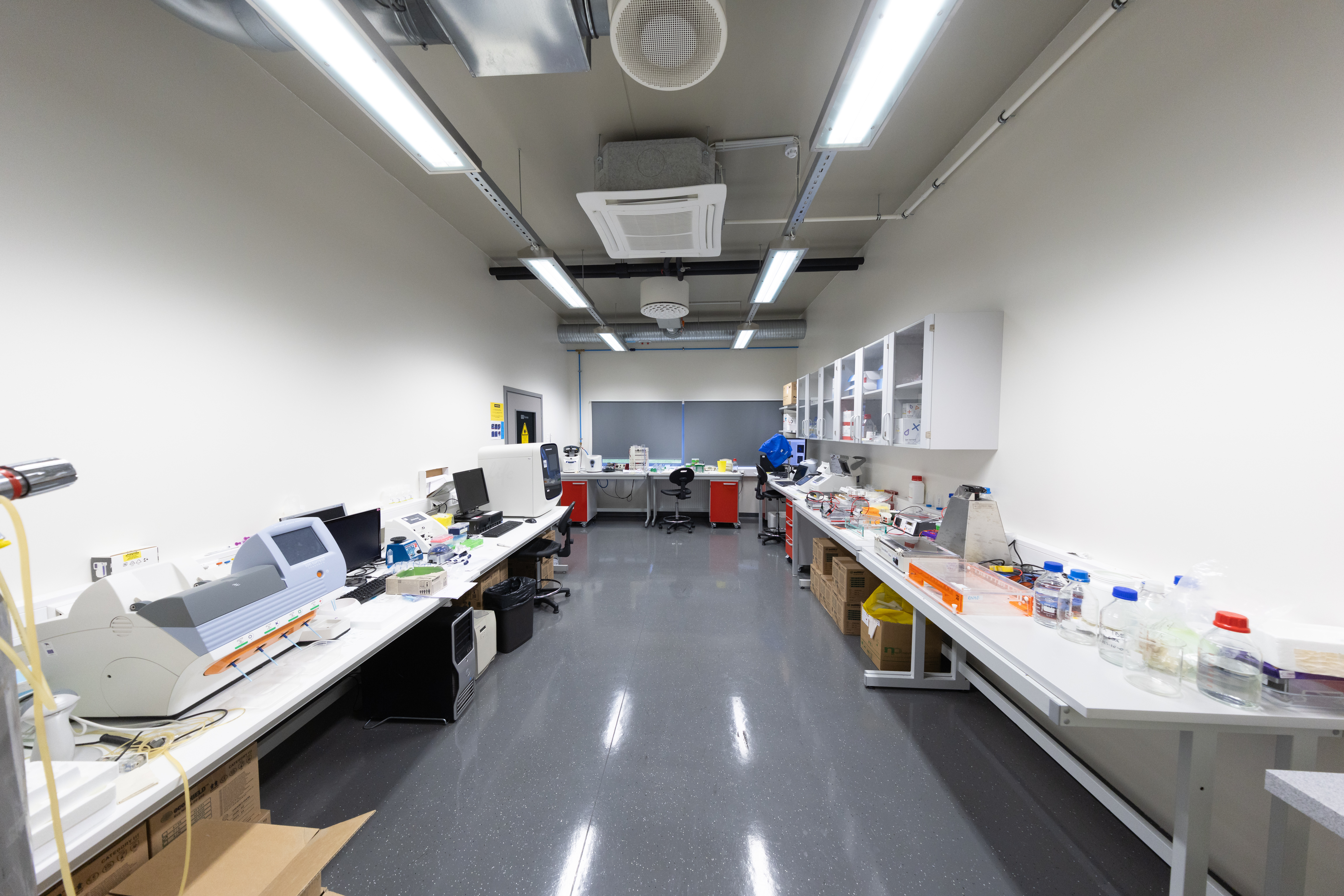
The Teesalu Laboratory occupies over 300 m² of laboratory space and 200 m² of office space at the Center for Translational Medicine, University of Tartu. The facilities are equipped with state-of-the-art infrastructure for molecular and cellular biology, bacteriology, and advanced imaging.
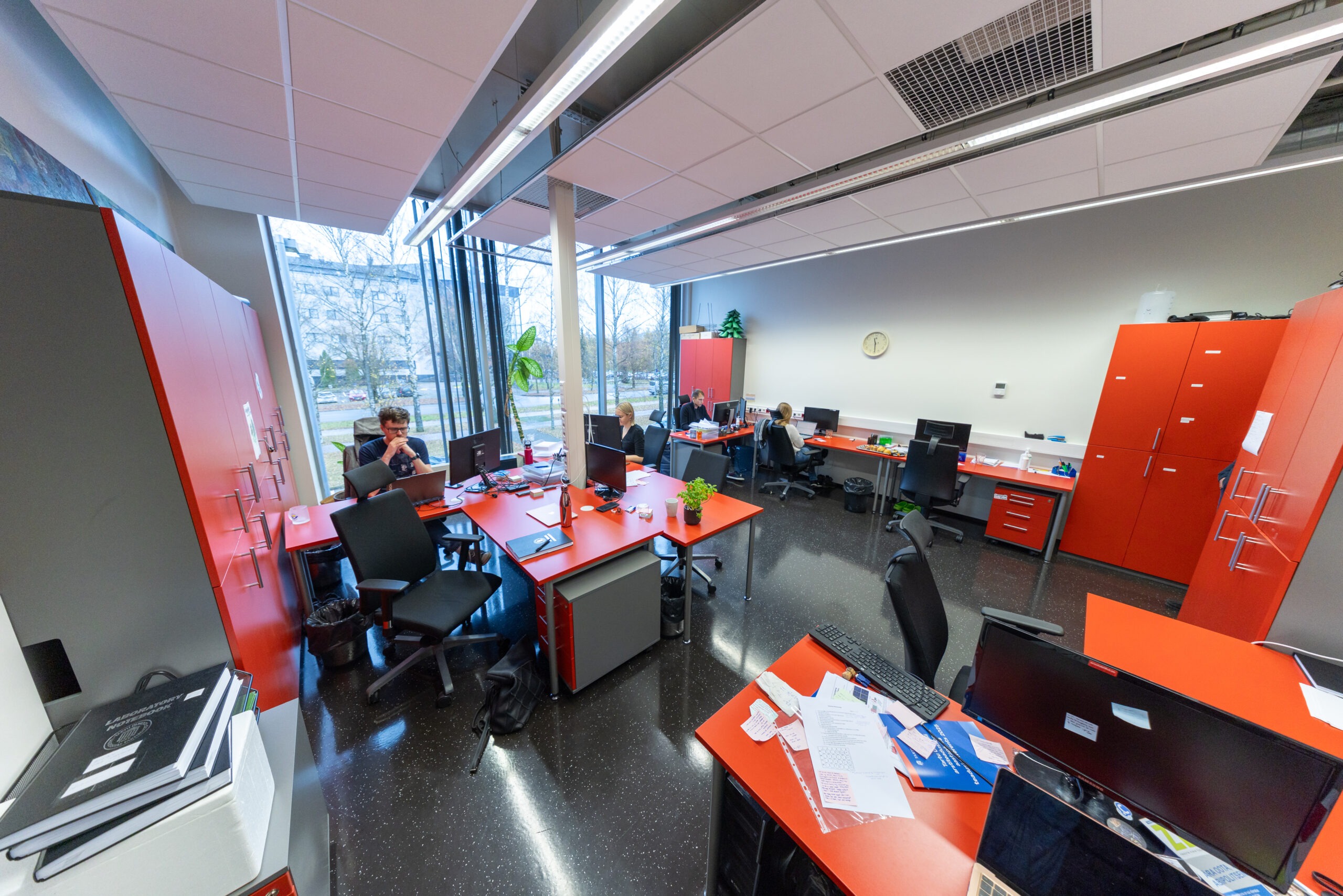
Our office space at the Center for Translational Medicine includes several offices, a modern conference room, and a kitchen with free coffee from an automatic dispenser. The offices are bright, with large windows letting in plenty of natural light. Workspaces are comfortable and ergonomic. Reliable IT and web support make it easy to work and stay connected..
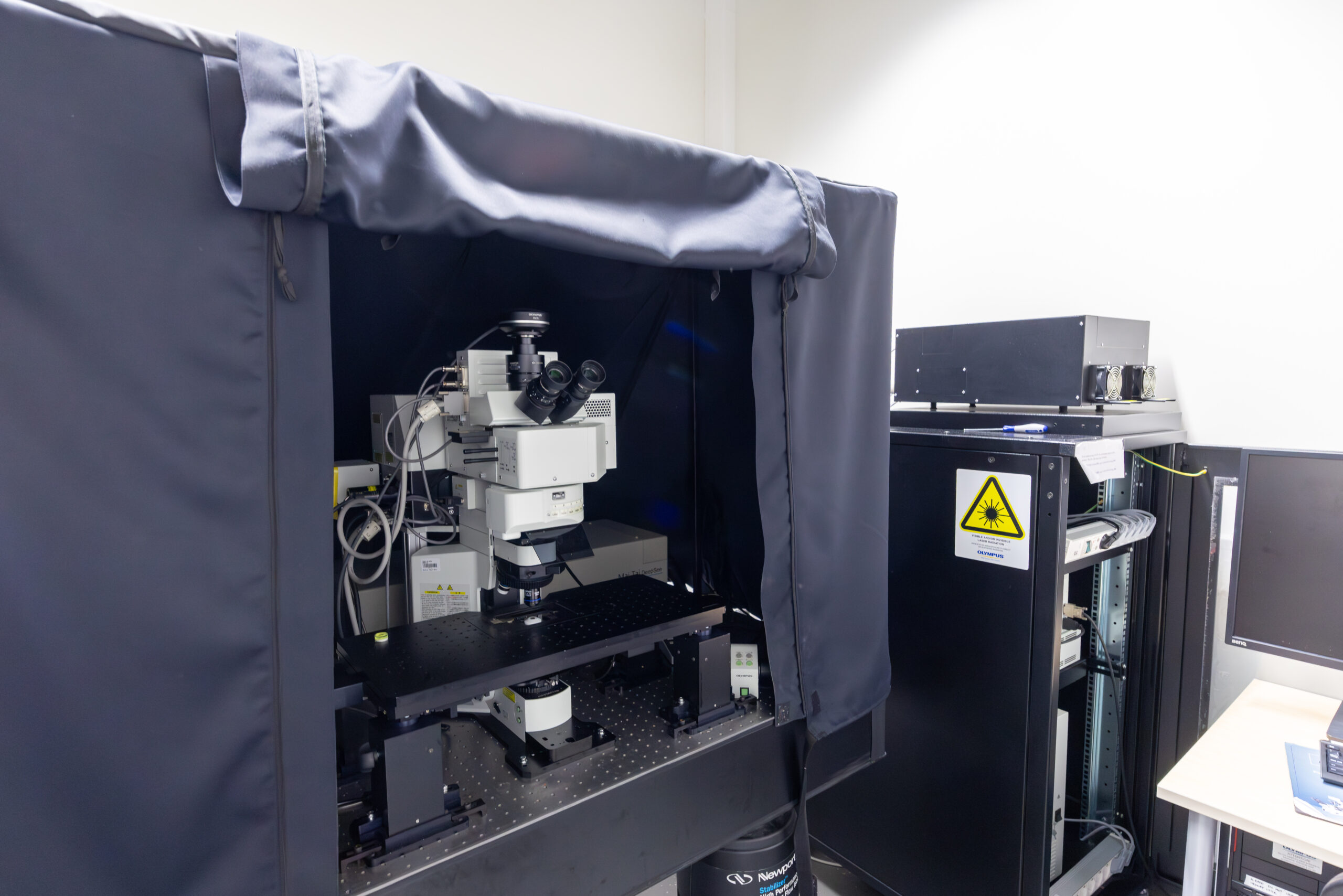
Our lab is equipped with a range of advanced imaging platforms that support high-resolution, in vivo, and translational studies. We have an Olympus multiphoton/confocal imaging system, which allows detailed visualization of cells, tissues, and dynamic processes at subcellular resolution. For deep tissue and whole-organ imaging, we have access to advanced facilities including a 9.4T Bruker MRI system, enabling high-resolution structural and functional imaging in small animals. Complementing these, our near-infrared (NIR) and luciferase imaging systems provide sensitive, real-time monitoring of biological processes, biodistribution, and therapeutic effects in live animal models. Together, these imaging capabilities allow us to investigate nanoparticle delivery, tumor targeting, vascular biology, and neural interfaces with precision and flexibility.
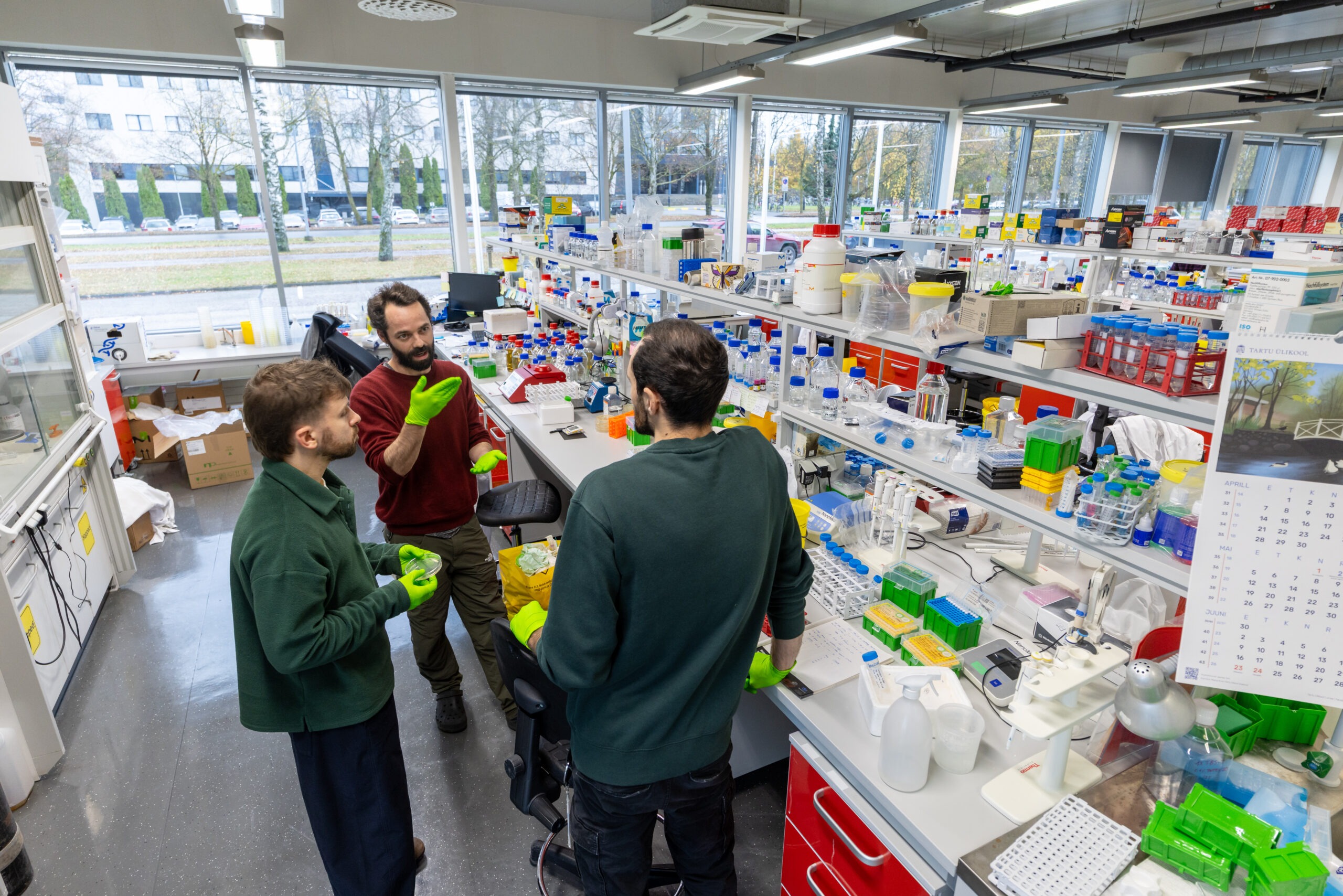
Our main lab is equipped for a broad range of molecular and cell biology, histology, and nanotechnology work. We routinely use a diverse panel of orthotopic cell line–based and patient-derived xenograft (PDX) models, covering glioma, peritoneal carcinomatosis, prostate, pancreatic, and breast cancers. Our setup allows us to study tumor biology, test new therapeutic strategies, and evaluate the efficacy of targeted treatments in models that closely mimic human disease.
The laboratory is equipped with standard instruments needed for multidisciplinary research, including centrifuges, shakers, spectrophotometers, microscopes, cryostats, flow cytometers (FACS), NanoDrop, plate readers, thermocyclers including qPCR, and protein and nucleic acid gel electrophoresis systems. These facilities enable a wide range of experimental approaches, from basic molecular biology to advanced cellular and nanotechnology studies.
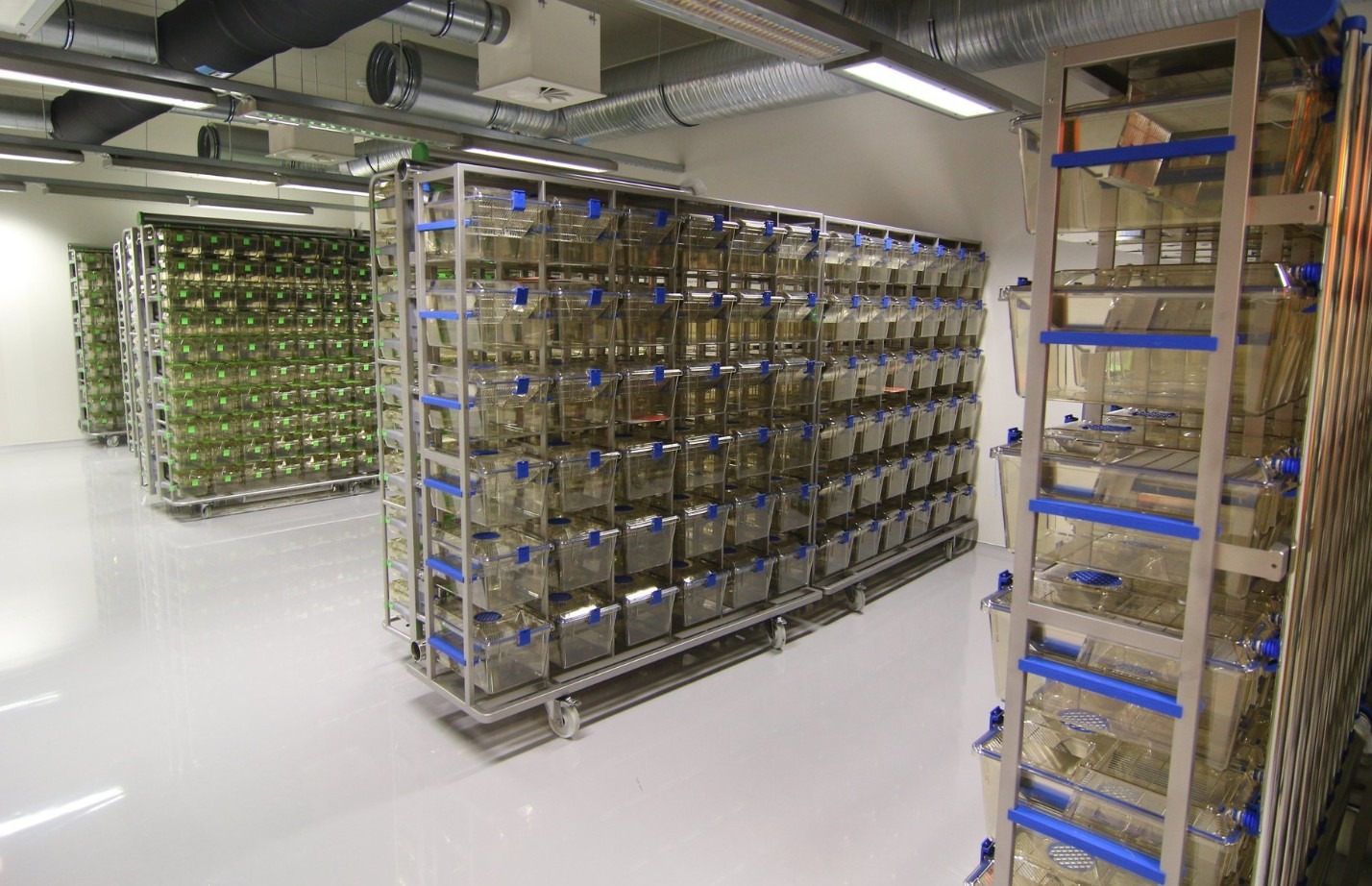
The lab is directly connected to the University of Tartu’s 5,000 m² animal facility, providing seamless access to state-of-the-art resources for preclinical research. The facility includes ABSL (Animal Biosafety Level) laboratories for work with infectious agents and genetically modified organisms, as well as dedicated areas for transgenic and knockout animal production. For regulated and standardized studies, there are GLP-compliant laboratories supporting reproducible and high-quality experiments. The facility also houses specialized units for pharmacology, toxicity, and behavioral studies, allowing comprehensive in vivo assessment of novel therapeutics, drug delivery systems, and nanomedicines. This close integration enables our lab to efficiently design, execute, and monitor advanced preclinical studies, from molecular imaging to functional and safety evaluations in animal models.
Researchers in our lab also have access to the University of Tartu’s advanced core facilities, which provide a wide range of cutting-edge technologies to support both basic and translational research. These include confocal and high-resolution imaging suites, enabling detailed cellular and tissue analysis, and FACS (fluorescence-activated cell sorting) facilities for precise isolation and characterization of specific cell populations. In addition, we leverage state-of-the-art proteomics and genomics platforms, as well as single-cell transcriptomics cores, allowing us to explore molecular and cellular processes at unprecedented depth and resolution. These resources significantly enhance our ability to study nanoparticle delivery, tumor biology, vascular and neural interfaces, and therapeutic responses in both in vitro and in vivo systems.